
Why “Brand New Appliances” Don’t Mean What They Used To in Bluffton, SC
There was a time when seeing “brand new appliances” in a listing actually meant something. It meant reliability, peace of mind, and one less thing to think about after closing. That’s no longer the case.
Across Bluffton, Hilton Head, and Okatie, more buyers are moving into homes with brand new appliances that look great, photograph beautifully, and check every box on paper—but don’t hold up once real life begins. In speaking with longtime Lowcountry real estate professionals Gary and Shelley Elliott of The Elliott Team, who have guided buyers and sellers through this market for years, one thing became clear almost immediately: “new” appliances are creating more frustration than confidence in today’s transactions.
The Rise of the Builder-Grade Illusion
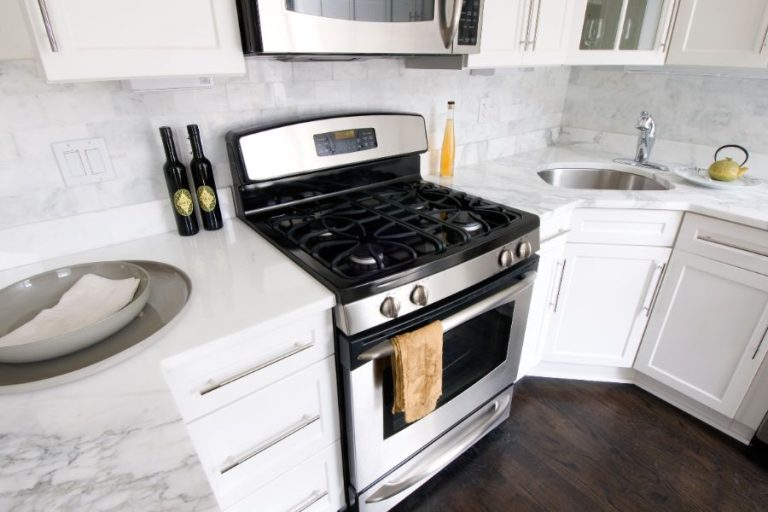
Walk into a recently updated home or a flip anywhere in Bluffton and you’ll see a familiar pattern. Fresh paint, clean lines, updated finishes, and a full suite of stainless steel appliances that look exactly how buyers expect them to look. On the surface, it feels like a win.
But behind that presentation is a reality most buyers don’t see. A large percentage of these appliances are selected for speed and cost, not longevity. They are designed to look the part, help the home show well, and keep renovation budgets in check—not to perform reliably six months after closing. That distinction is subtle during a showing, but it becomes obvious once the home is actually lived in.
Why Appliances Simply Don’t Last Like They Used To
The shift isn’t just anecdotal—it’s structural. Appliances today rely more heavily on electronics, lighter internal components, and tighter manufacturing margins. Many are designed to hit price points rather than durability benchmarks, which means what used to last well over a decade can now begin to show issues far sooner, especially when it’s entry-level equipment installed quickly before a sale.
Then you add Bluffton into the equation. Humidity is constant, air carries moisture differently, and systems don’t get the seasonal break they would in colder climates. Ice makers, seals, compressors, and venting systems all experience a different kind of wear here, and that combination shortens the runway. It’s why something that looks brand new can start behaving like it isn’t within a surprisingly short period of time.
The Problem With “New” in Today’s Market
The word “new” has become a shortcut. It reassures buyers, signals value, and suggests the home is move-in ready. But in today’s market, it should really trigger a better question: what, exactly, was installed?
More experienced buyers are starting to look past the surface. They’re asking about build quality, model tiers, and how those systems hold up locally. They’re beginning to understand that replacing a solid, older appliance with a cheaper new one isn’t always an upgrade. In some cases, it’s a downgrade disguised as an improvement, and once you see it, you start noticing it everywhere.
What This Looks Like After Closing
Most of these issues don’t show up during a showing, and they don’t always show up during an inspection either. Everything turns on, cycles run, lights come on, and on paper, everything works. The real test begins after move-in.
That’s when the refrigerator struggles to maintain temperature, the ice maker becomes inconsistent, the dishwasher leaves a film, or the dryer takes longer than expected. Individually, none of these feel major, but together they change how the home feels to live in. For Bluffton buyers—especially those relocating or moving into 55+ communities like Sun City Hilton Head and Riverbend—this hits differently. These buyers are not expecting projects. They are expecting ease, and when things don’t feel easy, the entire tone of the purchase shifts.
A Simple Way to Spot the Difference
This is where buyers can protect themselves with a few simple checks. Before assuming “new” equals quality, it helps to look a little closer. Opening the dishwasher and seeing a plastic interior instead of stainless steel is often a quick indicator of entry-level construction. Looking up the model number inside the appliance door can reveal whether it’s a contractor-grade version rather than a retail-grade one, even when the exterior looks identical.
Paying attention to weight, door feel, and how components move can also tell you a lot. Lighter materials and looser construction tend to show up quickly in daily use. Asking about warranties and installation timing adds another layer of clarity. None of this takes long, but it gives buyers a much clearer picture of what they’re actually getting.
What Actually Holds Up in Bluffton Homes
This is where local experience becomes invaluable. Aurora Appliance has spent years servicing homes across Bluffton, Hilton Head, and Okatie, and they see the patterns that don’t show up in listings. They know which systems hold up in this environment and which ones tend to fail early.
More importantly, they understand that not everything should be replaced. In many cases, a well-built appliance that’s been properly maintained will outperform a brand new, lower-tier replacement. Older units are often more serviceable, easier to repair, and built with components designed for longevity, while newer entry-level units can be more difficult to fix and more prone to full replacement when something goes wrong. That difference becomes very real over time.
What Smart Buyers and Sellers Are Doing Differently
The market is starting to adjust. Sellers who understand this are becoming more intentional, evaluating whether their existing appliances are worth servicing instead of automatically replacing them before listing. Buyers are becoming more aware as well, asking better questions and paying attention to how systems feel and perform rather than just how they look.
Agents with deep local experience are guiding those conversations, helping clients understand that the goal isn’t just to make a home look finished—it’s to make sure it actually lives well once the transaction is over.
Final Thought
In today’s Bluffton market, “brand new appliances” is no longer a guarantee of anything. It’s a starting point for a better question: are they built to last in this environment?
Because once the boxes are unpacked and daily routines begin, that answer becomes very real, very quickly. And in a place like Bluffton, where so many buyers are making a meaningful transition in how they live, the homes that stand out are not the ones that simply look complete.
They’re the ones that work the way they should, day after day, without becoming a problem.
That’s what people remember.